
New regional research shows productivity, wellbeing and flexibility have become the defining pillars of the modern workplace
Savills Middle East has partnered with workplace strategy platform Workplaced to deliver a new regional study examining how office environments and employee productivity across the Middle East have evolved over the past decade.
The Workplaced MEA Research report revisits the findings of a landmark 2015 workplace productivity study and compares them with insights from more than 1,300 participants surveyed in 2025. The research highlights a fundamental shift in how organisations approach productivity, employee wellbeing and flexible working.
According to the study, reported productivity levels have increased from 52% in 2015 to 68% in 2025, driven by improved workplace design, technological enablement and the widespread adoption of hybrid working models. Average in-office attendance has also reduced from around four days per week to three, reflecting a move away from mandatory office presence towards more purpose-driven, collaborative environments.
Employee sentiment has strengthened significantly over the past decade. Feelings of pride, involvement and joy at work have all increased, with purpose-driven cultures and hybrid flexibility cited as key contributors to higher engagement levels across the region.
However, the research also highlights areas where organisations must continue to evolve. While 92% of employees in the Middle East place “trust” as a top emotional need, only 48% feel trusted in their workplace. The findings suggest leadership styles and organisational cultures must adapt further to close this gap.
Ergonomics has also emerged as a major priority. More than 80% of employees now rank furniture quality and adjustability as a key factor in their workspace, underlining the growing link between physical comfort, wellbeing and performance.
Hybrid working expectations vary significantly by location, role and generation. Employees outside the UAE reported a 52% gap between their current and preferred in-office schedules, compared to a 7% gap within the UAE, indicating that a one-size-fits-all approach to workplace policy is no longer effective.
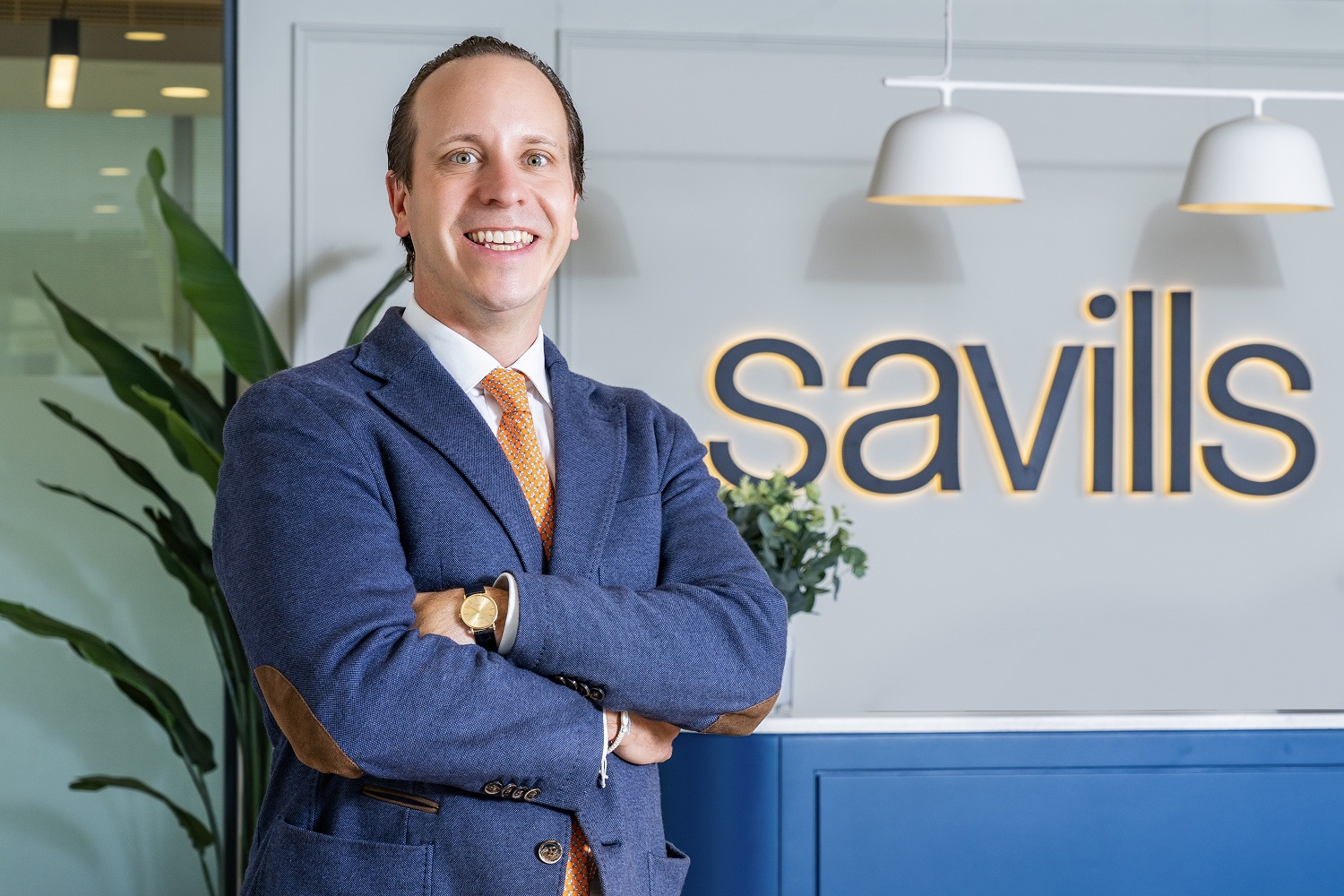
Toby Hall, Director and Head of Commercial Agency at Savills Middle East, said, “Savills Middle East is proud to partner with Workplaced on the Middle East Workplace Study, building on the pioneering research conducted a decade ago by MECO and RICS. This new research helps organisations integrate emerging workplace trends, enhancing motivation, wellbeing and productivity while driving stronger business outcomes.
It highlights a clear shift towards flexible, purpose-driven spaces, design for satisfaction and productivity, and a deeper focus on innovation, wellbeing and regional identity. These insights present a unique opportunity for real estate stakeholders to shape future-ready workplaces aligned with both employee needs and regional ambitions.”
Adel El Mawla, Chief Executive Officer of Workplaced, added, “The Middle East is at a pivotal moment, as businesses embrace hybrid models while seeking to honour cultural values and regional dynamics. This research reflects our commitment to supporting leaders in navigating these transitions with clarity and confidence. Together with our partners, we are helping create workplace ecosystems that enable people to do their best work.”
The research also reveals changing workspace priorities across generations, genders and nationalities. Gen Z employees place greater emphasis on wellbeing, air quality and noise control, while women report higher emotional engagement but also greater dissatisfaction with lighting and privacy. These findings point to the need for more inclusive, adaptable and experience-led workplace design strategies.
As organisations across the Middle East continue to refine their workplace models, the report concludes that successful future offices will be built around hybrid flexibility, emotional engagement and adaptive space design – moving away from standardised, space-centric layouts towards experience-led environments that support both people and performance.